

 Français
 Español
 Deutsch
 Italiano
 Português
Getting AI to Write in Your Style: The Complete Method
"Write like me" doesn't work. How to build a style sheet from your own texts, and hunt down the tics that give away generated text.
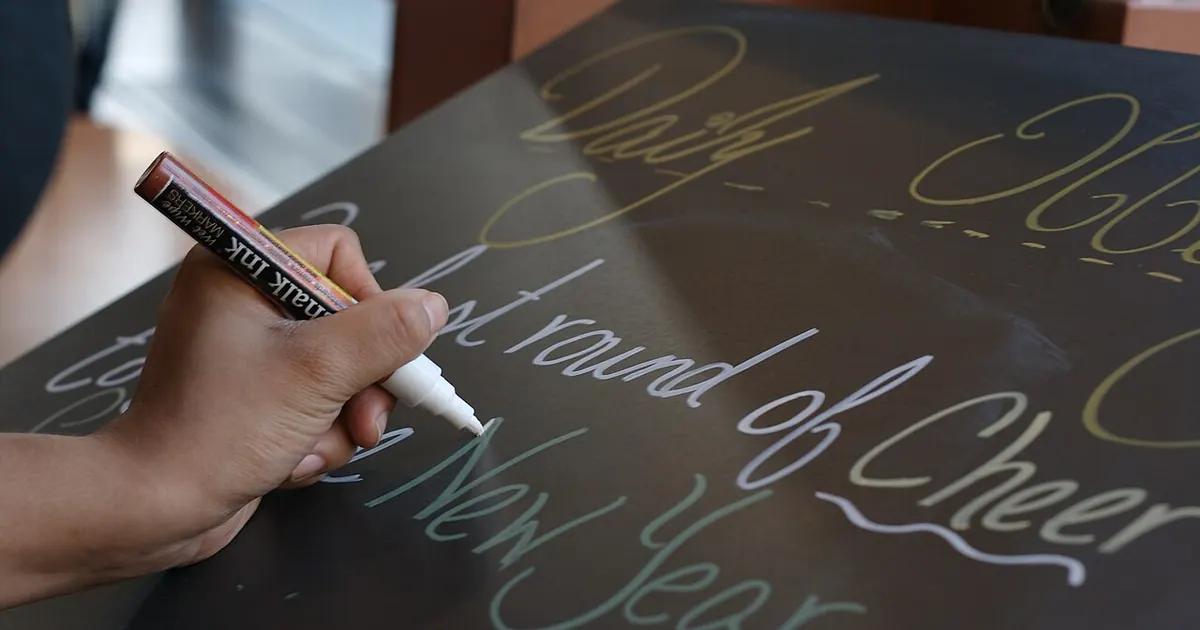
"Write in a natural tone, like me." The sentence gives next to nothing, and the model answers in its default style: balanced sentences, a bit of enthusiasm, a tidy conclusion. Read on its own, the text passes. Sent to clients who've known you for ten years, it rings false by the second line.
Your style comes down to things you don't notice yourself: the length of your sentences, the way you get into a subject, what you never write. So you have to get it observed, then put it in writing, and finally correct it by hand.
Choose the right reference texts
The quality of everything that follows depends on this step. Take three to six texts you really wrote, without AI help, and of the same kind as what you want to produce. Your emails to clients aren't your LinkedIn posts: you don't write the same way, and mixing the two gives you an average that looks like nothing.
Avoid texts that someone else heavily edited and texts you wrote reluctantly, like a cancellation letter. Choose the ones where you think "yes, that's me." Remove names and confidential information before pasting them.
If you run a newsletter for your bike shop, for example, take four issues your readers liked, not the one dashed off on a Sunday night.
Have it extract a style sheet
A direct request like "imitate this text" works a little, but it wears out fast, and the AI copies the topics and expressions rather than the manner. It's better to first have it describe what it sees, in a form you can correct.
Here are [NUMBER] texts I wrote for [MEDIUM AND AUDIENCE]. Analyze the way I write, ignoring the topics covered.

Write a style sheet that a writer could use to write in my place. It should cover:
- sentence length and rhythm, with an example from the texts;
- how I open and how I close;
- my relationship with the reader (formality, humor, closeness, how assertive I am);
- the vocabulary and expressions that keep coming back;
- what I never write: phrasings, words, techniques you can't find in any text;
- my punctuation and formatting.

Be concrete. Every observation must be backed by a short quote. If you don't see a trait repeated, don't include it. Maximum 250 words.

TEXTS:
[PASTE THE TEXTS, SEPARATED BY ---]
Don't skip the line on what you never write: a style is recognized as much by what it avoids as by what it contains.
Read the sheet and correct it. The AI may have mistaken a coincidence for a habit, or missed a habit only you know about. It may also describe you in a flattering, vague way ("an authentic tone"): replace those phrases with something verifiable, like "short sentences, rarely more than twenty words, one idea per sentence."
Write with the sheet, minus its reflexes
With a sheet in hand, you can start writing. The following prompt adds two elements: a reference text and a list of tics to avoid. Models have recognizable habits, and you have to ban them explicitly, because the sheet alone doesn't always rule them out.
Write [TYPE OF TEXT, LENGTH] about [TOPIC] for [READER].

Points to get across:
[YOUR IDEAS, EVEN IF THEY'RE JUMBLED]

Follow this style sheet:
[YOUR SHEET]

Reference text for rhythm (don't reuse its topic or its expressions):
[ONE OF YOUR TEXTS]

Avoid:
- openings that announce the topic or compliment the reader;
- reflexive lists of three items;
- sentences of the "it's not X, it's Y" type;
- conclusions that recap;
- any enthusiasm I haven't expressed in my ideas.

Don't add any fact, anecdote, or figure I haven't provided. If a passage would need one, write [TO BE COMPLETED].
The last instruction is important. As soon as you ask for a personal style, the model tends to invent an anecdote from your childhood or "a client yesterday." A made-up story written in the first person is the worst possible text to let through. Reread it, checking every fact.
Your jumbled ideas are also a strength: they bring your point of view. Without them, you get your tone applied to generalities. The more material you bring, the less generic the result sounds.
The comparison test
How do you know if it works? Read the text out loud. Wherever you stumble, that's not your voice. You can also have it compare your texts to the output, rather than asking the AI whether it did a good job.
Compare TEXT A (written by me) and TEXT B (generated). List the 5 most visible style differences: rhythm, vocabulary, opening, transitions, level of assertiveness.

For each one, quote a passage from each text, then suggest a one-line rule to add to my style sheet. Don't evaluate the content.

TEXT A:
[YOUR TEXT]

TEXT B:
[GENERATED TEXT]
Add the rules that seem right to you. After two or three passes, your sheet becomes truly personal. Each correction you make by hand can also join the sheet as an example, following the logic of few-shot prompting.
Keep your expectations realistic: you won't get a perfect copy. The result looks like a first draft that a good assistant might have written for you. It still needs a pass from you to put back what only you can know.
Keep your sheet within reach
A sheet is only useful if you don't have to dig it out of the bottom of a folder. Paste it into custom instructions or a project dedicated to that type of text, and save it with its examples in your prompt library. If you write for several media, keep one sheet per medium.
One caveat: this method is for reproducing your own voice. If you're writing for a company, its tone guidelines are the reference. If you write in the manner of a living author and plan to publish the result, you're adding legal and fairness questions: look into it beforehand, and never present a text as written by someone else.
Start with a sheet limited to one medium
Take the type of text you write most. Paste three examples into the analysis prompt, delete any line of the sheet you don't recognize, and add by hand one thing you never write. Write your next text of this type with it, noting the three corrections you make most often. They go into the sheet.
Read next
Advanced techniques
Few-Shot Prompting: Guiding the AI by Example
Two or three well-chosen examples replace a long paragraph of instructions. How to select them, present them and avoid slavish copying.
5 min read
Advanced techniques
Scoring AI Answers With a Rubric
How to build a scoring rubric with four or five criteria to compare two prompts or two answers, and use it without fooling yourself.
4 min read

Advanced techniques
Prompt injection: understanding the risk and protecting yourself
An email, a web page, or a résumé can contain orders that the AI carries out for you. How it works, when it's serious, and the protections that help.
6 min read